Understanding Preventative Care for Cats and Dogs in Otsego: Tips for Pet Wellness
Taking good care of your cat or dog isn’t just about love and playtime. It also means staying ahead of health problems before they start. Preventative care helps catch small issues early, keeping your furry friend feeling their best for years to come. In Otsego, where pets face unique outdoor challenges and seasonal changes, having a plan that fits your pet’s lifestyle is key.
Preventative care for cats and dogs in Otsego involves regular wellness exams, vaccinations, parasite prevention, dental cleanings, nutrition counseling, and early detection of health issues to ensure your pet’s long-term wellbeing. At Sirius Veterinary Care in Otsego, we provide personalized preventative plans tailored to each pet’s lifestyle and health status to keep them healthy and happy.
Key Takeaways
- Annual wellness exams are essential for early detection of health issues in pets.
- Core vaccinations protect against deadly diseases, while non-core vaccines address lifestyle-specific risks.
- Year-round parasite prevention is crucial in Otsego’s climate due to ticks, fleas, and heartworm threats.
- Proper nutrition and portion control prevent obesity and support lifelong health.
- Personalized care plans based on breed, age, and lifestyle optimize your pet’s wellness.
- Regular dental care prevents serious health complications beyond just oral hygiene.
Why Regular Wellness Exams Matter
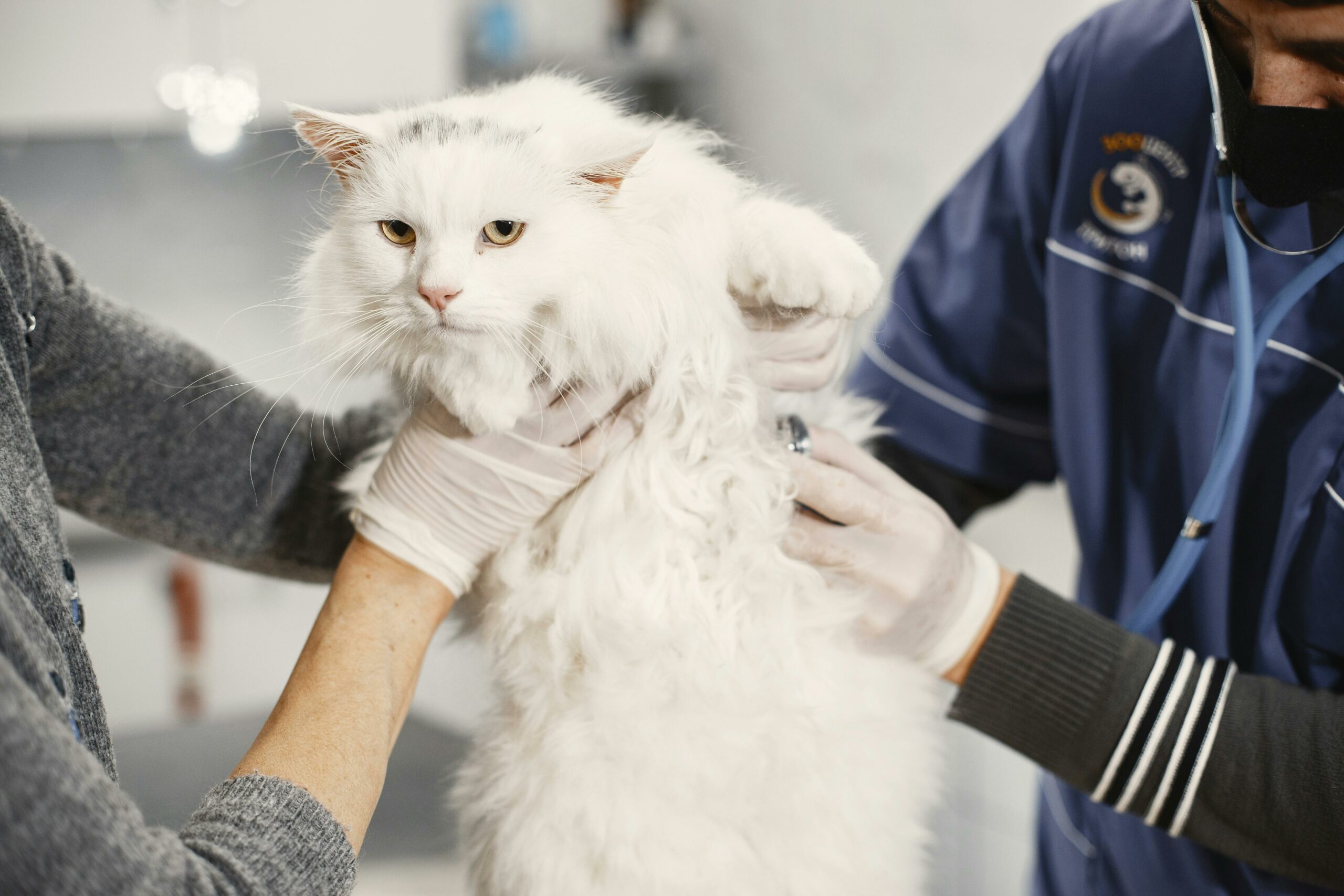
Regular veterinary exams are the cornerstone of effective preventative care for our pets. Just like we schedule annual physicals to stay ahead of health problems, our cats and dogs benefit enormously from consistent check-ups.
These visits aren’t just routine. Their true value lies in detecting subtle changes or early signs of illness before they progress into serious conditions. At Sirius Veterinary Care, we encourage yearly visits for adult pets, but puppies and kittens require more frequent monitoring as their bodies and immune systems develop rapidly during those early months.
Animals have an incredible instinct to mask discomfort or illness, a survival trait carried over from their wild ancestors. This means that by the time outward signs appear, an underlying issue might already be progressing quietly. A routine exam allows us to detect those subtle changes early, whether it’s the onset of dental disease hidden beneath the gums or stiffness indicating early arthritis that your pet isn’t showing clearly.
Early detection transforms how we manage health issues and improves quality of life tremendously. For example, identifying mild arthritis early allows us to recommend tailored pain management and lifestyle adjustments that keep your pet active and comfortable.
During these appointments, we take time to discuss diet, behavior, dental health, and any concerns you might have. This holistic approach supports not only immediate well-being but also long-term vitality. Learn more about our comprehensive wellness services.
Essential Vaccinations for Otsego Pets
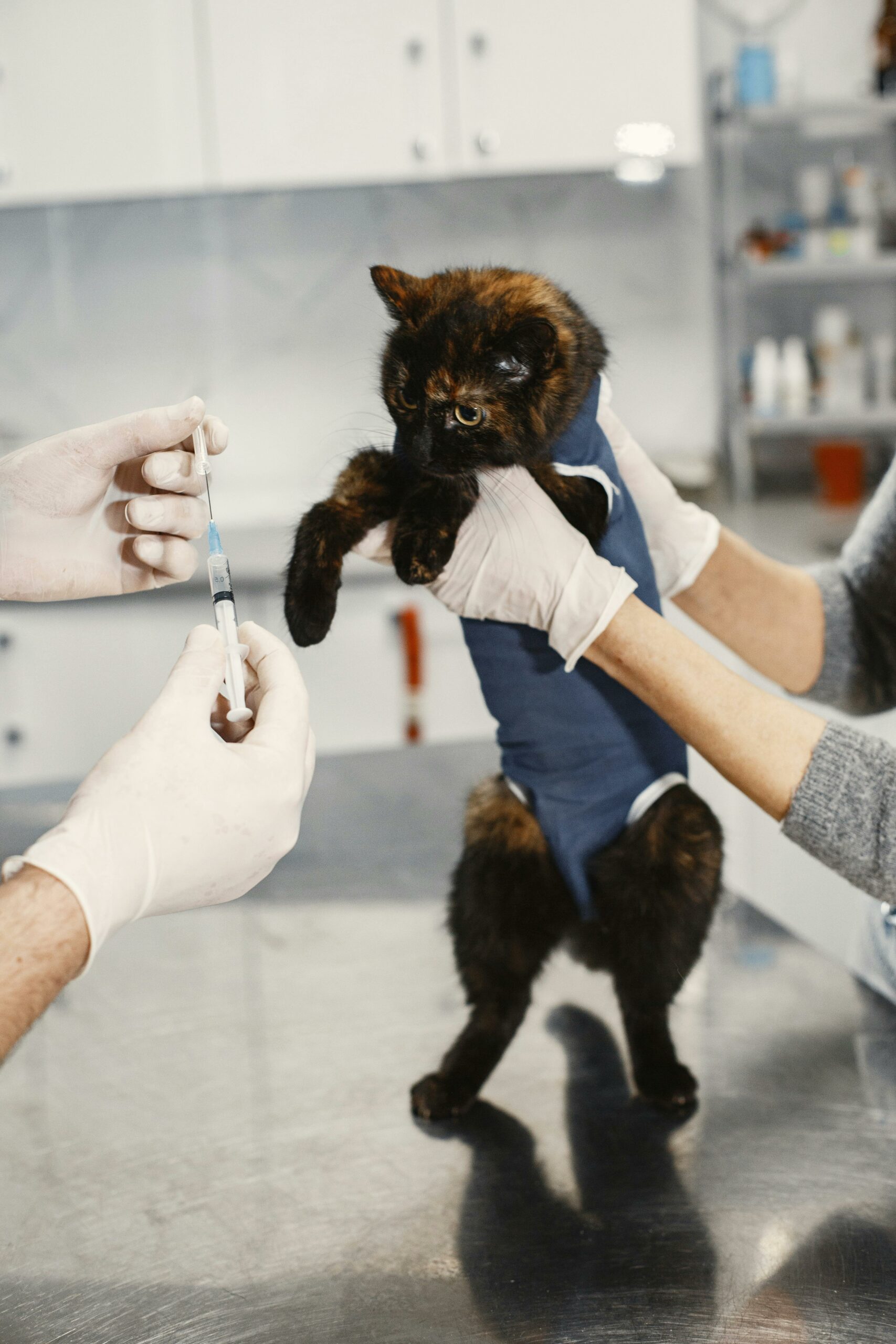
Vaccines act as shields that prepare our pets’ immune systems to fight off dangerous diseases. The benefits are undeniable. Millions of lives have been saved thanks to core vaccinations recommended by veterinarians worldwide.
For dogs, essential vaccines protect against rabies, distemper, parvovirus, and adenovirus illnesses. Cats require vaccinations against feline panleukopenia, herpesvirus, calicivirus, and rabies. These immunizations not only protect individual pets but also contribute to community-wide disease control.
At Sirius Veterinary Care, we customize vaccination plans based on your pet’s lifestyle and risks. A dog regularly socializing in dog parks may need additional vaccines like Bordetella or Lyme disease prevention compared to a strictly indoor cat that avoids exposure outdoors.
The timing of vaccinations is just as important as the vaccines themselves. For puppies and kittens, starting the series at six to eight weeks of age ensures early protection when they are most vulnerable. Booster shots every three to four weeks until around sixteen weeks help build a strong and lasting defense.
Adult pets still need annual boosters because immunity can wane over time. These shots act like a refresher course for the immune system, maintaining your pet’s resistance against dangerous diseases throughout their life.
Parasite Prevention in Otsego’s Climate
Living in Otsego’s semi-rural environment means increased chances for fleas, ticks, and heartworms to find their way onto our furry friends. These parasites aren’t just nuisances. They can cause itching, allergic reactions, and anemia and transmit serious diseases.
Otsego’s mix of cold winters and warm, humid summers requires year-round parasite prevention strategies. Ticks thrive in spring and fall when temperatures hover between 45-85°F, while mosquitoes peak in the muggy summer months and can carry heartworm.
Preventative measures such as monthly topical treatments, oral medications, or flea collars play a vital role in protecting your pet’s comfort and health. Product effectiveness varies depending on species and individual risk factors. Some products work better for cats than dogs, while certain oral medications guard against heartworm and topical options focus on fleas and ticks.
Together with your vet at Sirius Veterinary Care, we create a parasite control strategy tailored specifically to your pet’s needs and environment. This personalized approach ensures your companion receives the most effective protection against local parasite threats.
Nutrition Guidelines for Long-Term Health
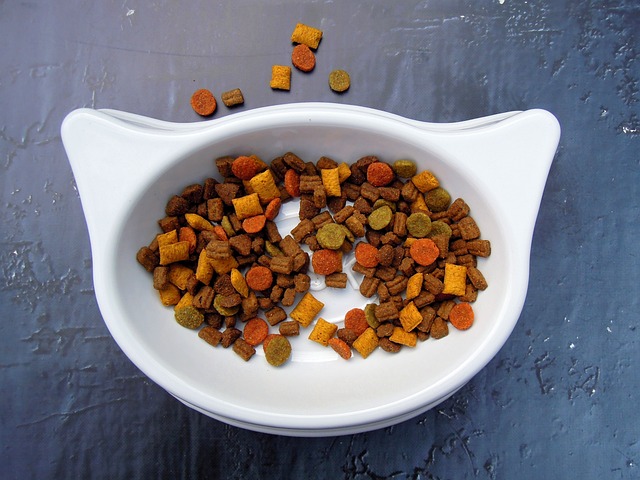
Our pets rely on us for the fuel that powers their daily lives. A truly balanced diet goes far beyond simply filling a bowl. It requires a careful mix of proteins, fats, carbohydrates, vitamins, and minerals tailored to each pet’s unique needs.
Proteins like chicken or fish build strong muscles and support immune function. Healthy fats help maintain shiny coats and brain health. Carbohydrates provide energy but should be chosen wisely to avoid unnecessary weight gain.
Some pets come with special dietary demands. A cat with diabetes may require a low-carbohydrate diet to manage blood sugar levels effectively, while an overweight dog might benefit from foods formulated to promote satiety without excessive calories.
Overfeeding is one of the sneakiest culprits behind many chronic pet health issues. It’s easy to fall into a routine of giving just a little extra at mealtime or offering frequent treats out of affection. Yet, this can quickly tip the scales toward obesity, which stresses joints, burdens internal organs like the heart and liver, and shortens lifespan.
Using measuring cups to provide precise meal portions can be a game changer. We encourage pet owners to consult regularly with us to determine the ideal weight for their pet’s breed, age, and activity level. Adjusting meal sizes based on ongoing guidance empowers us to maintain healthy weights proactively rather than reactively.
Providing fresh water alongside meals supports proper digestion and kidney function. Additionally, limiting table scraps helps reduce exposure to harmful substances and maintains good eating habits.
Personalizing Care Based on Breed and Age
Every pet is as unique as the bond we share with them. Understanding their individual requirements helps us provide the best possible care. One of the key factors in personalizing that care is recognizing breed-specific traits and vulnerabilities.
Golden Retrievers often face challenges like hip dysplasia, so incorporating joint supplements and appropriate exercise plans can greatly improve their quality of life. Persian cats tend to suffer from respiratory problems due to their facial structure, making regular veterinary checkups vital to monitor and manage any emerging issues early.
Age plays an equally important role in deciding what level of care your pet needs. Young pets require more frequent veterinary visits to build strong immunity through vaccinations and routine exams. Their growing bodies need nutritional adjustments and parasite prevention suited to their developmental stage.
Senior pets face a different set of challenges. As they age, their risk for chronic conditions such as kidney disease, arthritis, or dental issues increases. This necessitates more regular health screenings to catch early signs of illness when treatment can be more effective.
At Sirius Veterinary Care, we emphasize this lifecycle approach by recommending a customized schedule for wellness visits that changes as your pet moves through different stages. This dynamic plan ensures no concern goes unnoticed, from booster vaccines in youth to pain management for arthritis in later years.
Pets who live mostly indoors versus those frequently outdoors have different risks for diseases and injuries. Dogs attending dog parks or boarding facilities might benefit from lifestyle vaccines like Bordetella or Lyme disease protection, while a home-bound cat might focus more on preventing infectious diseases through tailored vaccination schedules.
Enhancing Your Pet’s Overall Well-Being
Keeping our pets healthy goes far beyond vaccinations and checkups. Quality of life encompasses their mental sharpness, emotional balance, and sense of community as much as their physical well-being.
Mental exercise is crucial. Interactive toys such as puzzle feeders encourage problem-solving and slow down eating, which benefits digestion and focus. Fetch toys or training sessions are more than play. They stimulate cognitive function and reinforce bonding.
Social connection is equally important. Pets thrive when they regularly interact with other animals and humans. This socialization helps reduce anxiety and prevents behavioral problems rooted in loneliness or fear. Getting out to local dog parks or Otsego’s pet-friendly events provides a safe space for our pets to meet others and explore new environments.
Incorporating mental enrichment and socialization into daily routines creates a balanced lifestyle that supports all aspects of pet wellness. If you have questions about creating a comprehensive wellness plan for your pet, contact us at Sirius Veterinary Care. Our team is here to guide you through personalized preventative care strategies that keep your companion thriving.
Frequently Asked Questions
How often should my pet have wellness exams in Otsego?
We recommend annual wellness exams for adult pets to catch health issues early and maintain current vaccinations and parasite control. For senior pets or those with chronic conditions, biannual visits allow us to better monitor their health. Puppies and kittens need more frequent visits during their first year for proper immune system development.
What vaccinations does my pet need in Otsego?
Core vaccinations for dogs include rabies, distemper, and parvovirus. Cats need rabies, feline viral rhinotracheitis, calicivirus, and panleukopenia vaccines. Depending on your pet’s lifestyle, we may recommend non-core vaccines like Bordetella for dogs who frequent boarding facilities or the Lyme disease vaccine for outdoor dogs in wooded areas.
Why is year-round parasite prevention important in Otsego?
Otsego’s climate creates ideal conditions for parasites throughout the year. Ticks remain active in spring and fall, while mosquitoes peak in summer. Even during winter, pets can be exposed to parasites in heated indoor environments. Year-round prevention protects against heartworm, Lyme disease, and other parasite-transmitted illnesses.
What should I feed my pet for optimal health?
A balanced diet includes high-quality proteins, essential fatty acids, and nutrients tailored to your pet’s life stage. We recommend lean meats, omega-3s from fish oils, and limited fillers. Portion control is critical to prevent obesity. Given Otsego’s colder climate, slightly higher calorie intake may help maintain energy levels through winter months.
How do I know if my pet needs special dietary considerations?
Signs like weight fluctuations, digestive upset, a dull coat, or low energy may indicate dietary issues. Pets with conditions like diabetes, kidney disease, or allergies require specialized diets. We evaluate your pet’s overall health, breed predispositions, and lifestyle to recommend the most appropriate nutrition plan.
What environmental factors in Otsego affect my pet’s health?
Otsego’s rural setting increases exposure to wildlife, ticks, and poisonous plants. Harsh winters demand paw care and cold weather protection to prevent frostbite and arthritis flare-ups. Understanding these local environmental challenges helps us create effective preventative care strategies for your pet.
At what age should my pet transition to senior care?
Most dogs are considered seniors around seven years old, though larger breeds age faster. Cats typically enter their senior years around ten to twelve years old. Senior pets benefit from more frequent wellness exams, specialized nutrition, and proactive management of age-related conditions.