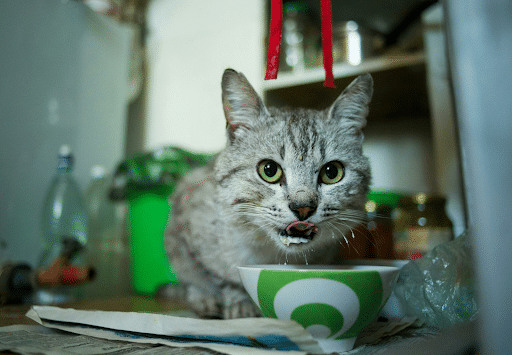
Keeping your pet at the right weight is one of the most important things you can do to help them live a longer, healthier life. Just like people, dogs and cats can gradually gain extra pounds before you even notice. Over time, those added pounds can lead to serious health problems that limit playtime and shorten the time you have together. Understanding how to manage your furry family member’s weight through consistent habits and personalized veterinary guidance can make all the difference.
The right weight for your pet depends on factors such as breed, age, size, and overall health. At Sirius Veterinary Care, we recommend regular wellness exams where our veterinary team assesses your pet’s body condition score and provides personalized guidance on maintaining a healthy weight through proper nutrition and exercise.
Key Takeaways:
- Excess weight significantly increases your pet’s risk of diabetes, arthritis, heart disease, and certain cancers.
- Body Condition Score (BCS) is the veterinary standard for evaluating your pet’s weight and overall physical health.
- Measured, portioned feedings are among the most effective tools for preventing and managing pet obesity.
- Daily exercise tailored to your pet’s breed, age, and ability supports both physical fitness and mental well-being.
- Regular wellness exams at Sirius Veterinary Care allow early detection of weight changes before they develop into serious health issues.
Why Healthy Weight Matters for Pets
When our furry companions carry extra weight, it affects far more than their appearance. Excess pounds strain their joints, making everyday activities like walking or playing painful and exhausting. Over time, this strain can cause arthritis to develop earlier and worsen existing orthopedic conditions.
Obesity in pets also raises the risk of serious health problems such as diabetes, heart disease, certain cancers, and respiratory difficulties. These conditions not only reduce quality of life but can also significantly shorten your pet’s lifespan.
Weight management is not about restricting food. It is about providing a balanced diet tailored to your pet’s age, breed, and activity level while keeping them physically active. At Sirius Veterinary Care in Otsego, MN, we focus on preventative care to monitor weight trends so adjustments can be made before problems arise.
Risks of Obesity in Dogs and Cats
Obesity fundamentally changes your pet’s health outlook. Overweight dogs face a considerably higher risk of developing diabetes because excess fat interferes with insulin regulation, creating lifelong management challenges. Extra weight also puts added strain on the heart, contributing to cardiovascular disease, while ongoing joint pressure accelerates arthritis and limits mobility.
Research also points to a connection between obesity and certain cancers in pets, highlighting how much surplus weight can affect overall cellular health. These conditions do not occur in isolation. They compound over time and strain multiple body systems simultaneously.
Pets with obesity often experience reduced energy levels, making exercise uncomfortable or difficult. Less activity leads to further weight gain, a cycle that limits quality of life well before their years run out. That is why routine visits to Sirius Veterinary Care are an important part of safeguarding your furry family member’s long-term health.
Factors That Affect Your Pet’s Weight
Several key factors influence whether your pet gains or maintains a healthy weight.
Genetics: Certain breeds, such as Labradors and Beagles, are naturally predisposed to weight gain due to hearty appetites and slower metabolisms. Recognizing this tendency allows you to monitor these pets more closely from an early age.
Diet: What your pet eats and how much they consume directly impacts their weight. Overfeeding, excessive treats, and table scraps add up to calorie surplus faster than most pet parents realize. Diets high in fillers or low-quality ingredients can also lead to poor nutrient absorption and unintended weight gain.
Activity Level: Sedentary lifestyles are a major contributor to obesity. High-energy breeds like Border Collies require substantial daily exercise, while older or lower-energy pets benefit from gentler, consistent movement. Matching exercise routines to your pet’s specific needs supports metabolism, muscle tone, and mental well-being.
How to Assess Your Pet’s Weight
Every breed has its own healthy weight range, so consulting breed-specific guides or reaching out to our team at Sirius Veterinary Care is always a helpful starting point. Rather than relying solely on a number on the scale, our veterinary team uses a Body Condition Score (BCS) to evaluate fat coverage and muscle mass, which provides a much clearer picture of overall health.
You can also perform simple checks at home. Running your hands along your pet’s sides, you should be able to feel their ribs without pressing too hard, but they should not protrude visibly. Viewed from above, most pets should show a slight narrowing behind the ribs. From the side, the belly should tuck upward gently rather than sag or bulge.
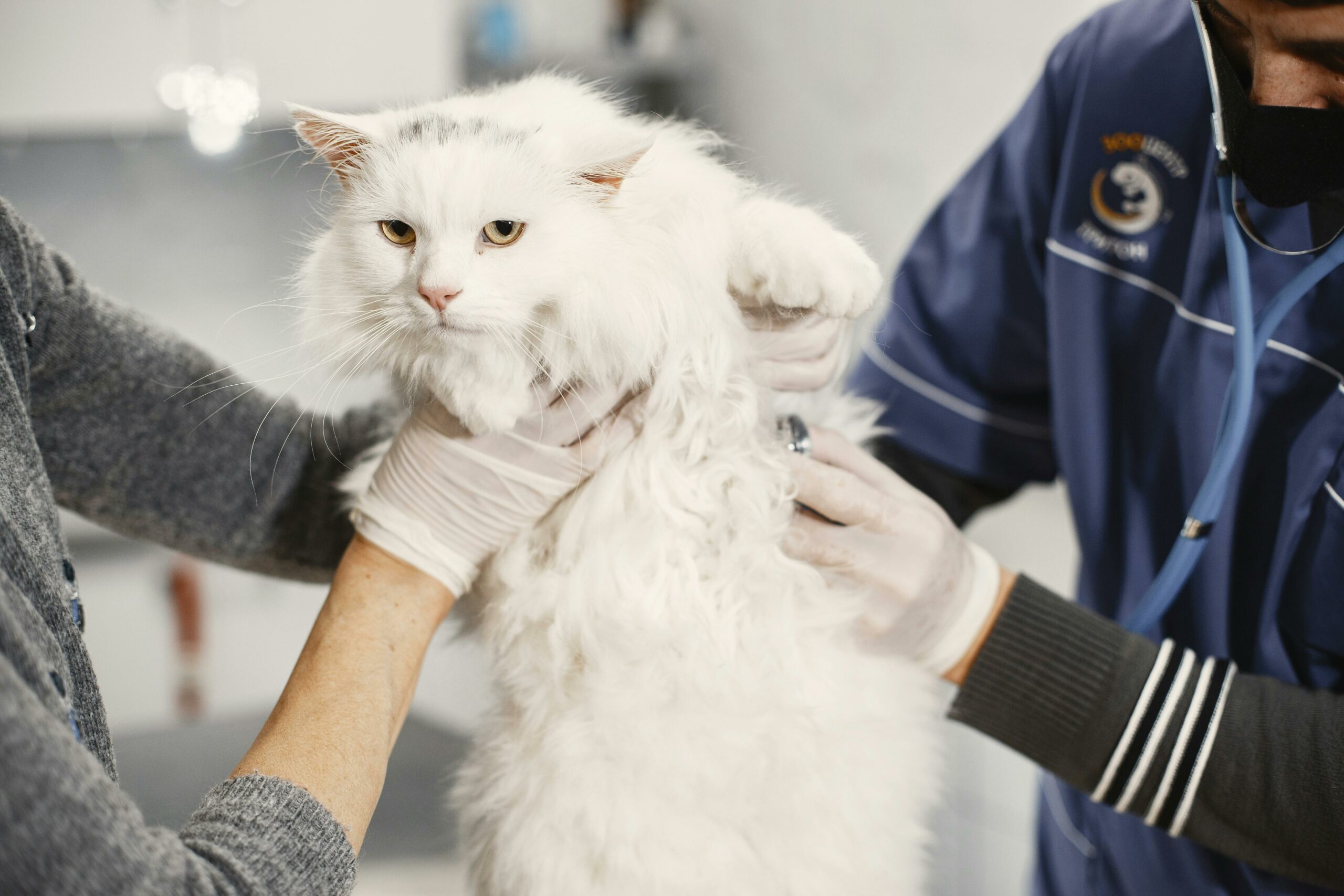
During wellness exams at Sirius Veterinary Care, our team rates your pet’s BCS using standardized scoring scales, helping us identify subtle changes before they develop into more serious health concerns.
Diet and Exercise for a Healthy Weight
A well-balanced diet is the foundation of effective weight management. Key habits to build include:
- Measuring food portions carefully rather than free feeding
- Choosing nutritionally balanced food recommended by your veterinary team
- Limiting treats and eliminating table scraps
- Scheduling routine weight checks during vet visits for early intervention
Weight loss for pets should always be gradual. Rapid reductions can trigger additional health complications. Working with your veterinary team ensures that any dietary changes are safe and appropriate for your pet’s individual needs.
For exercise, dogs benefit from a minimum of 30 minutes of walking each day, though high-energy breeds may need considerably more. Cats thrive on short, interactive play sessions two to three times daily using toys that engage their natural hunting instincts. Both species also benefit from mental stimulation, whether through varied walking routes, puzzle feeders, or climbing structures.
Professional Support at Sirius Veterinary Care
Professional guidance transforms weight management from guesswork into a clear, effective plan. At Sirius Veterinary Care, our wellness exams go beyond weighing your pet. They include a full health assessment to identify any underlying conditions that may be contributing to weight changes and are recommended annually for most pets or semi-annually for seniors.
Nutritional counseling helps you understand your pet’s specific dietary needs based on age, breed, activity level, and health status, preventing the guesswork that often comes with popular fad diets that may not be suitable for your furry family member. When diet or exercise adjustments are needed, we also develop tailored physical activity plans with regular monthly check-ins to track progress and make changes as your pet’s needs evolve.
Consistent communication with your veterinary team about how your pet responds to diet or exercise changes allows for timely adjustments and keeps progress on track. No one knows your pet better than you do, and no one can provide the medical insight quite like your vet. Together, we build a comprehensive strategy to keep your companion fit and healthy throughout every stage of life.
Conclusion
Maintaining your pet’s healthy weight is one of the most meaningful investments you can make in their long-term well-being. With the right combination of balanced nutrition, consistent exercise, and routine veterinary care, your dog or cat can enjoy a vibrant, active life at every stage.
Ready to take the next step for your furry family member? Contact our team at Sirius Veterinary Care to schedule a wellness exam and receive a personalized weight management plan tailored specifically to your pet.
Frequently Asked Questions
When should I consult a veterinarian about my pet’s weight?
You should reach out to us at Sirius Veterinary Care as soon as you notice your pet gaining or losing weight unexpectedly, showing reduced energy, or struggling with everyday movements like jumping or climbing stairs. Early intervention allows us to identify any underlying health conditions and develop a safe, effective plan before problems have a chance to progress.
What health problems can result from a pet being overweight or underweight?
Overweight pets face a significantly elevated risk of diabetes, arthritis, heart disease, and certain cancers. Excess weight places ongoing stress on joints, organs, and the cardiovascular system, which reduces quality of life and can shorten your pet’s lifespan over time. Underweight pets, on the other hand, risk malnutrition, weakened immunity, and muscle loss. At Sirius Veterinary Care, we monitor both ends of the spectrum through regular wellness exams.
How can I tell if my pet is at a healthy weight?
A simple at-home check is to gently feel along your pet’s sides. You should be able to feel the ribs without pressing firmly, but they should not be visibly protruding. Viewed from above, most pets should show a slight waist behind the ribs. From the side, the belly should tuck upward rather than sag. For a complete evaluation, our team at Sirius Veterinary Care uses the Body Condition Score system to give you a thorough, accurate picture of your pet’s health.
How can I safely help my pet lose weight?
Safe weight loss for pets is always gradual and should be guided by your veterinary team. At Sirius Veterinary Care, we develop personalized plans that include measured portions, appropriate food choices, and a structured exercise routine suited to your pet’s breed, age, and current health status. Avoid rapid dietary changes, which can cause additional complications, and schedule regular check-ins with us to track progress and adjust the plan as needed.
What factors determine the ideal weight for my pet?
Your pet’s ideal weight depends on their breed, age, activity level, genetics, and any existing health conditions. Breed standards and body composition vary widely, which is why general weight charts are rarely sufficient on their own. At Sirius Veterinary Care, we use breed-specific standards and Body Condition Score assessments to determine the right target for your individual pet and develop a care plan that reflects their unique needs.