How to Support Aging Dogs and Cats in Otsego: Essential Care Tips for Senior Pets
Caring for aging dogs and cats can feel like learning a whole new language, a mix of gentle patience, new routines, and watching closely for small changes. As our pets grow older here in Otsego, their needs shift, and understanding those shifts helps us give them the best life possible. This guide breaks down simple but essential ways to support your senior furry friends so they stay comfortable, active, and happy through their golden years.
To support aging dogs and cats in Otsego, schedule regular wellness exams at Sirius Veterinary Care to monitor their health and catch age-related issues early. We offer customized senior pet care plans, including pain management, dietary recommendations, and gentle treatments to ensure your pets live comfortably and happily in their golden years.
Key Takeaways
- Senior pets need biannual wellness exams for early detection of age-related conditions.
- Home modifications like ramps, orthopedic beds, and non-slip surfaces improve daily comfort.
- Specialized senior diets with omega-3s, antioxidants, and glucosamine support joint and organ health.
- Joint supplements and gentle exercise maintain mobility without causing pain.
- Consistent routines reduce anxiety and stress in aging pets.
- Holistic treatments like acupuncture and laser therapy provide natural pain relief options.
Recognizing Signs Your Pet Is Aging
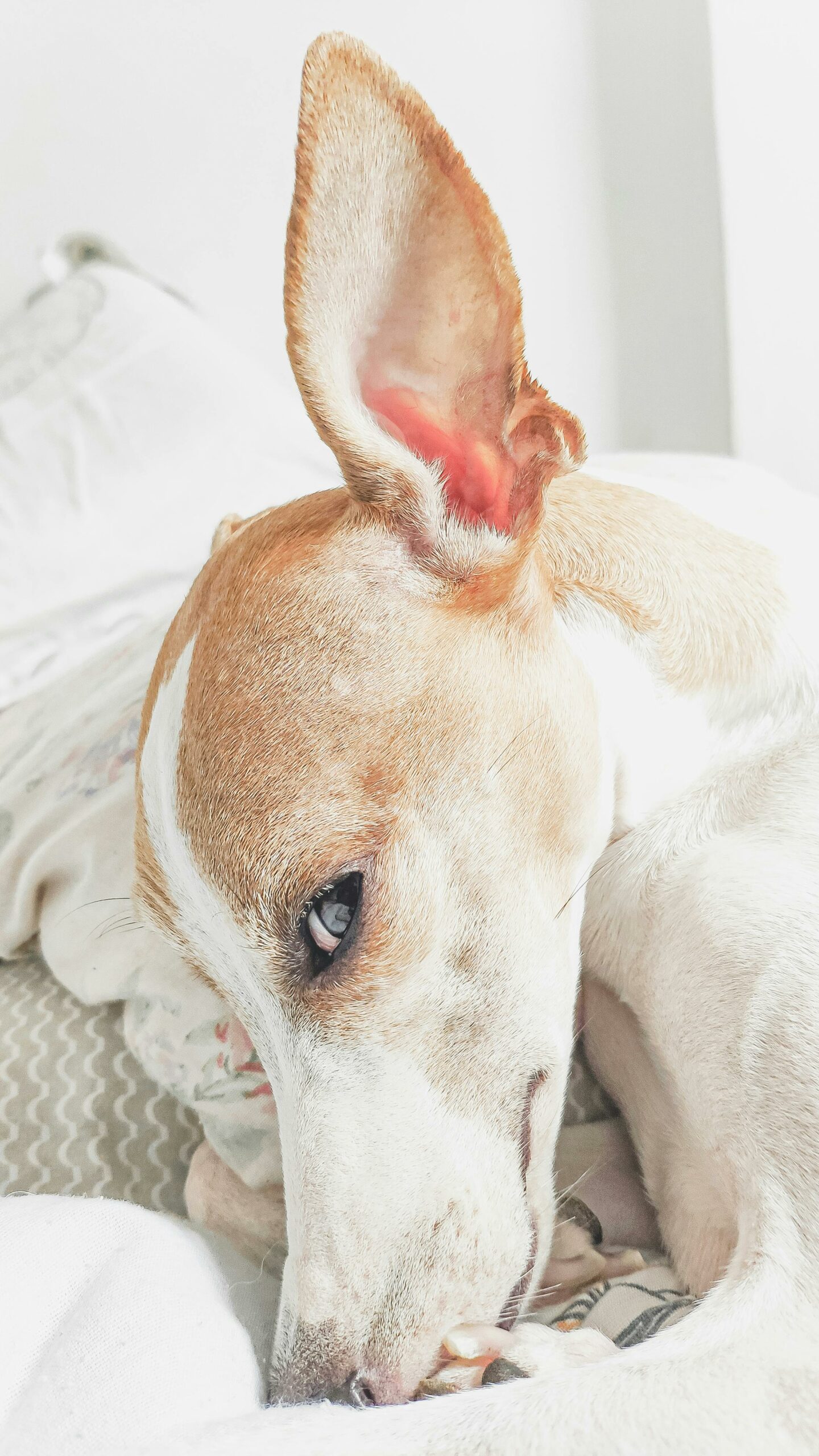
As our furry companions age, their bodies and behaviors change in subtle yet significant ways. We often notice a drop in energy levels. What was once a lively morning walk may turn into a slow, hesitant shuffle. Mobility challenges become more apparent as joints stiffen, and simple actions like jumping onto a favorite chair or climbing stairs might turn into struggles.
Changes in appetite can also signal evolving needs. Older dogs and cats may eat less or, conversely, develop new food preferences or sensitivities that require attention. These signs are more than just inconveniences. They often reflect underlying shifts in health. Arthritis can limit movement, while dental discomfort may alter eating habits.
Our careful observations help uncover these issues early. When we notice that an older dog is less eager to play or seems restless at night, these behaviors provide clues prompting veterinary evaluation. By catching problems early, we can tailor care plans by adjusting diet, improving comfort with supplements or medications, or making environmental changes that support mobility.
Build routine check-ins into your daily time with senior pets. Watch for subtle signs like decreased grooming frequency in cats or changed sleep patterns in dogs. Both can indicate pain or discomfort. Consider non-behavioral signals such as weight fluctuations or changes in urination and defecation habits. These observations give us a fuller picture and empower us to work collaboratively with vets at Sirius Veterinary Care to create personalized care strategies.
Learn more about our comprehensive preventative care approach for senior pets.
Making Your Home Senior-Pet Friendly
Simple changes in our living spaces make a significant difference in how comfortably our senior dogs and cats navigate their daily lives. Lowering the height of their bedding helps tremendously. Older pets with stiff joints or arthritis often find it challenging to jump onto high beds or sofas, so providing a bed closer to the ground can reduce strain and prevent falls.
Pet-friendly ramps or steps become invaluable tools. These gentle aids invite mobility without overexertion, allowing our furry friends to explore and rest where they please without frustration or risk. Selecting orthopedic or memory foam beds that cushion aching joints supports their overall comfort. These beds relieve pressure points and encourage better sleep, which is crucial as rest quality often declines with age.
Beyond the physical environment, we know that senior pets thrive on routine. Keeping feeding and walking times regular lowers stress for our older companions. Aging pets can become anxious when their days are unpredictable, so sticking to routines creates a sense of stability and security.
Serving meals at the same times each day ensures proper digestion and appetite regulation. Likewise, walks scheduled around familiar hours help manage energy levels and joint stiffness by encouraging gentle exercise without overwhelming them. Familiar environments combined with predictable routines reinforce their confidence in moving about safely.
Place food bowls, water stations, and litter boxes or designated potty spots on non-slip surfaces near resting areas. This minimizes unnecessary exertion and helps avoid injuries from slips or falls. Adding night lights near these areas also assists pets with diminished vision to move confidently during dark hours without bumping into obstacles.
These home adjustments require thoughtful attention to detail, small steps that collectively enhance well-being for our treasured senior pets.
Nutrition Essentials for Senior Pets
Nutrition plays a foundational role in supporting the well-being of aging dogs and cats. As pets grow older, their metabolism slows down and nutrient requirements shift. What worked earlier in life may no longer suffice. We need to provide food that not only meets but anticipates those evolving needs.
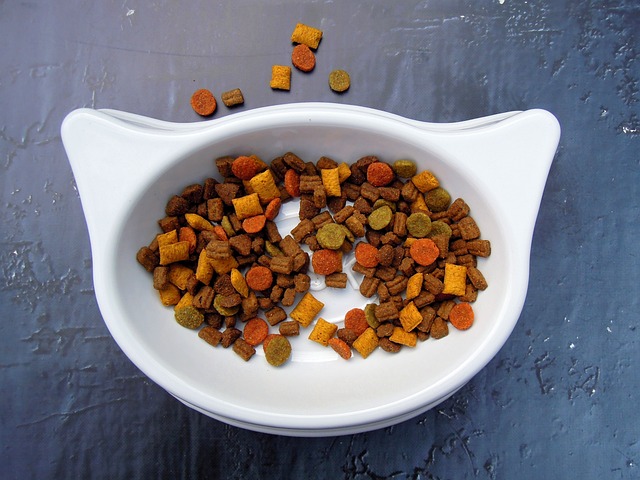
Many senior-specific diets incorporate omega-3 fatty acids, which help reduce inflammation commonly linked with arthritis, making it easier for pets to move comfortably. Antioxidants bolster the immune system, which naturally weakens with age, helping protect against illness. Glucosamine is often included to maintain cartilage health and support mobility.
Consult with your veterinarian at Sirius Veterinary Care to tailor diets specifically to each pet’s unique health profile. Some pets may require reduced protein levels to ease kidney stress, while others might benefit from increased fiber for digestive health. Such customization ensures feeding is thoughtful, not just adequate.
Feeding amounts also demand careful attention. Older pets often become less active, burning fewer calories. Without adjusted portions, weight gain can quickly lead to obesity. Excess weight compounds health problems by putting strain on arthritic joints, worsening diabetes control, or elevating cardiovascular risks.
Maintaining an optimal weight becomes a balancing act. Small meals spaced throughout the day can aid digestion and better manage hunger cues than one large meal. Alongside diet, encouraging gentle daily activity supports muscle tone and metabolic health without overtaxing stiff joints.
Given Otsego’s cold winters, slightly higher calorie intake may help maintain energy levels and body warmth during colder months. Discuss supplements with your vet if nutritional needs aren’t fully met through food alone. Sometimes adding fish oil capsules or joint-support formulas can significantly improve your pet’s mobility and comfort.
Veterinary Care for Aging Pets
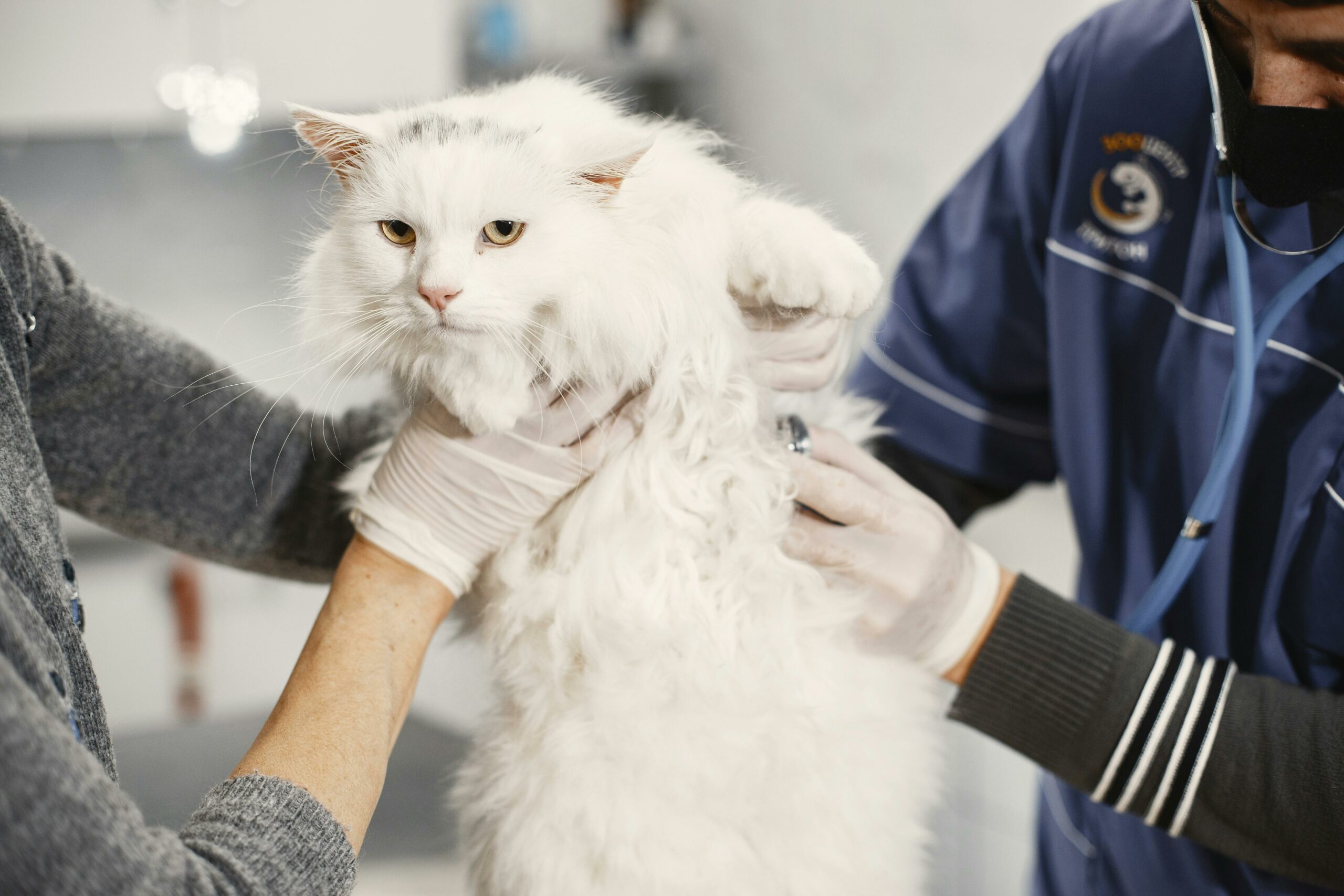
Our senior pets require more frequent and attentive veterinary care to keep them comfortable and healthy. We recommend scheduling biannual wellness exams for your aging dog or cat. These visits provide an invaluable opportunity to catch issues like dental disease, arthritis, kidney problems, or heart conditions before they worsen.
Research consistently shows that early detection improves treatment success and helps reduce the cost and stress of advanced medical care down the road. When we see senior pets regularly, we can monitor subtle changes in behavior or mobility that might otherwise slip by unnoticed.
Beyond basic exams, we tailor senior pet care plans that fit the unique needs of older animals. Specialized treatments such as acupuncture and laser therapy have shown remarkable benefits for pets suffering from arthritis or chronic pain. These therapies offer a natural and gentle alternative or complement to traditional medications, helping pets maintain mobility and quality of life without the side effects often associated with long-term drug use.
We also emphasize ongoing communication with you. Keeping us updated about any changes, whether it’s decreased appetite, altered sleep patterns, or signs of discomfort, allows us to adjust treatments promptly. Preventative care evolves as your pet ages. Dental cleanings remain critical since untreated dental disease can lead to systemic infections affecting the heart or kidneys.
Regular blood work and urine tests further help track internal organ health, especially liver and kidney function, which commonly decline in older animals. At Sirius Veterinary Care, we take pride in blending modern veterinary medicine with compassionate care tailored specifically for seniors.
Key aspects of veterinary care for senior pets include biannual wellness exams emphasizing early disease detection, customized pain management plans using acupuncture and laser therapy, regular dental evaluations and cleanings, routine blood panels and urinalysis to monitor organ function, and transparent communication to adapt care based on behavioral or physical changes.
Supporting Mobility and Comfort
Mobility challenges are a common part of aging for both dogs and cats, but addressing them early can significantly improve our pets’ daily lives. One of the foundational steps we take is incorporating joint supplements such as glucosamine and chondroitin into their diet. These compounds support cartilage health, helping to ease the stiffness and soreness that arthritis often brings.
At Sirius Veterinary Care, we emphasize choosing supplements that have proven bioavailability so our pets actually benefit from them. Joint supplements work best when combined with other thoughtful measures. Customizing a pet’s activity level to avoid excessive strain while encouraging gentle movement helps maintain muscle tone without worsening joint pain.
We might also recommend physical therapy or controlled exercises designed specifically for senior pets, which reduce inflammation and build strength gradually. Creating a comfortable home environment is just as vital. Orthopedic beds distribute weight evenly, easing pressure points that cause discomfort during rest. These beds help improve sleep quality, and since rest is when the body heals and rejuvenates, better rest translates directly into better mobility during waking hours.
Beyond beds, adding nonslip mats or rugs, especially on slippery floors, can prevent painful falls or accidents in older pets struggling to maintain balance. Temperature control is another important factor. Older pets often suffer more in cold weather due to reduced circulation and joint stiffness. Otsego’s harsh winters make this especially relevant for our senior pets.
Providing warm blankets or positioning their resting spots away from drafts can soothe aching joints and encourage relaxed movement. A well-balanced diet rich in omega-3 fatty acids has anti-inflammatory properties that further assist joint health.
We cannot overlook the power of gentle massage and acupuncture, both part of our integrative approach combining modern veterinary medicine with traditional therapies. Regular therapeutic massage improves circulation and flexibility, while acupuncture has shown promise in alleviating chronic pain, offering renewed freedom of movement for many beloved senior pets.
Emotional Support for Senior Pets
Our pets rely on us not only for their physical needs but also for emotional comfort, especially as they age. Senior dogs and cats can experience stress, anxiety, or loneliness that impacts their overall well-being. Providing consistent emotional support helps ease these challenges and strengthens the loving bond we share with them.
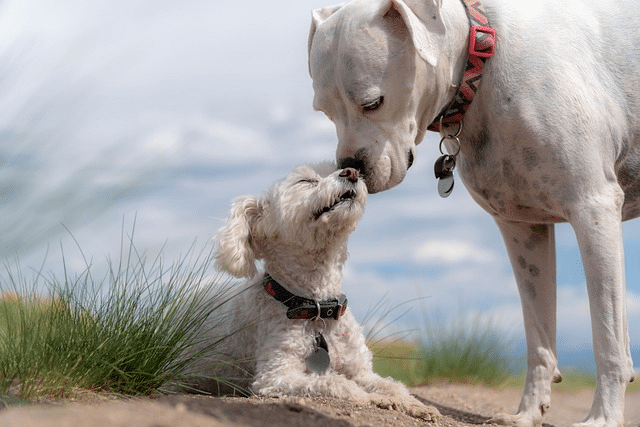
While older pets may slow down physically, it’s important to keep their minds engaged through regular social interaction. Toys designed to stimulate curiosity or gentle play sessions encourage mental activity without overexertion. Puzzle feeders challenge their problem-solving skills while offering a tasty reward. Encouraging visits from familiar people or calm introductions to other pets can help prevent feelings of isolation that sometimes accompany aging.
Taking our pets on leisurely strolls to nearby parks or quiet neighborhoods offers both mental stimulation and fresh sensory experiences. The sights, sounds, and smells provide an uplifting change of environment that benefits their mood. These outings also foster positive reinforcement of movement and social behavior in a low-stress setting.
Senior pets thrive on routine and familiar surroundings. Sudden changes to their environment, such as moving furniture, introducing new noises, or rearranging daily schedules, can trigger anxiety. Minimizing these disruptions helps create a calm atmosphere where they feel secure and cared for.
Comfortable bedding in quiet corners and easy access to food, water, and litter boxes, along with gentle lighting, contribute to a reassuring environment. Using the same feeding bowls, toys, and blankets they are accustomed to provides comfort through scent and texture. When change is unavoidable, gradual introductions paired with extra affection soften the transition.
At Sirius Veterinary Care, we understand how critical emotional support is for senior pets. We encourage pet parents to look beyond just physical health by promoting holistic wellness plans tailored to each pet’s unique personality and lifestyle.
Community Resources in Otsego
At Sirius Veterinary Care, we recognize how important comprehensive and compassionate senior pet care is. We offer regular wellness exams aimed at early detection of age-related issues, personalized pain management plans to keep your pet comfortable, and dietary counseling that addresses changing nutritional needs as pets grow older.
We combine modern veterinary techniques with holistic approaches like acupuncture and herbal medicine to provide well-rounded care. The community around Otsego offers additional valuable resources that complement what we do at our clinic.
Otsego’s beautiful outdoor spaces like Prairie Park offer safe, peaceful spots perfect for gentle exercise and mental stimulation, both crucial elements for seniors to maintain mobility and happiness. These parks are quiet enough for pets who tire easily but offer enough variety to keep them engaged without overwhelming their senses.
Getting involved with senior pet clubs or community groups can be an excellent way to connect with other pet parents facing similar challenges. Sharing experiences within a community helps reduce the isolation sometimes felt when managing age-related concerns alone. These groups are great places for exchanging practical advice on everything from mobility aids to dietary supplements.
Local pet stores stock a range of specialized nutrition products designed specifically for the unique needs of aging pets. These include joint support formulas, digestive aids, and antioxidant-rich foods that can bolster overall health. Having easy access to these products right here in Otsego makes it convenient to support your senior pet’s wellness consistently.
We encourage you to contact us at Sirius Veterinary Care for a personalized consultation where we can help craft an aging care plan tailored to your beloved companion’s needs. Every senior pet deserves the best possible care in every stage of life.
Frequently Asked Questions
When should I start considering my pet a senior?
Most dogs are considered seniors around seven years old, though larger breeds age faster and may be seniors by five or six. Cats typically enter their senior years around ten to twelve years old. Once your pet reaches senior status, biannual wellness exams become essential for monitoring age-related changes.
How does Otsego’s climate affect senior pet health?
Otsego’s cold winters and humid summers require extra care for aging pets. Cold weather can worsen joint stiffness and arthritis, with studies showing seniors are 40% more prone to arthritis flare-ups in chilly weather. Providing warm bedding, avoiding prolonged outdoor exposure in winter, and ensuring proper hydration during hot summer months are essential for comfort and health.
What are the signs my senior pet is in pain?
Common signs include decreased activity, reluctance to jump or climb stairs, changes in appetite, altered sleep patterns, excessive grooming or licking of specific areas, and behavioral changes like increased irritability. If you notice any of these signs, schedule a veterinary exam promptly for proper pain assessment and management.
What mobility aids are recommended for senior pets?
For senior pets in Otsego, we recommend orthopedic ramps for easier access to furniture and vehicles, non-slip mats to prevent falls on slippery floors, supportive harnesses for assistance during walks, and raised food and water bowls to reduce neck strain. These aids significantly improve an aging pet’s quality of life by easing movement around the home.
Should I change my senior pet’s diet?
Yes, senior pets benefit from diets specifically formulated for their age. These foods typically contain omega-3 fatty acids for joint health, antioxidants for immune support, and controlled calories to prevent weight gain. Some seniors may need reduced protein for kidney health or increased fiber for digestion.
What holistic treatments are available for senior pets?
At Sirius Veterinary Care, we offer acupuncture for pain management and improved mobility, laser therapy to reduce inflammation and promote healing, therapeutic massage to improve circulation and flexibility, and herbal medicine to support overall wellness. These treatments complement traditional veterinary care and provide natural relief for aging pets.
How can I help my senior pet with cognitive decline?
Maintain consistent daily routines, provide mental stimulation through puzzle toys and gentle training, ensure a calm and familiar environment, use night lights to help with navigation, and consider omega-3 supplements, which may support brain health. Regular veterinary checkups can also help identify and manage cognitive dysfunction syndrome early.