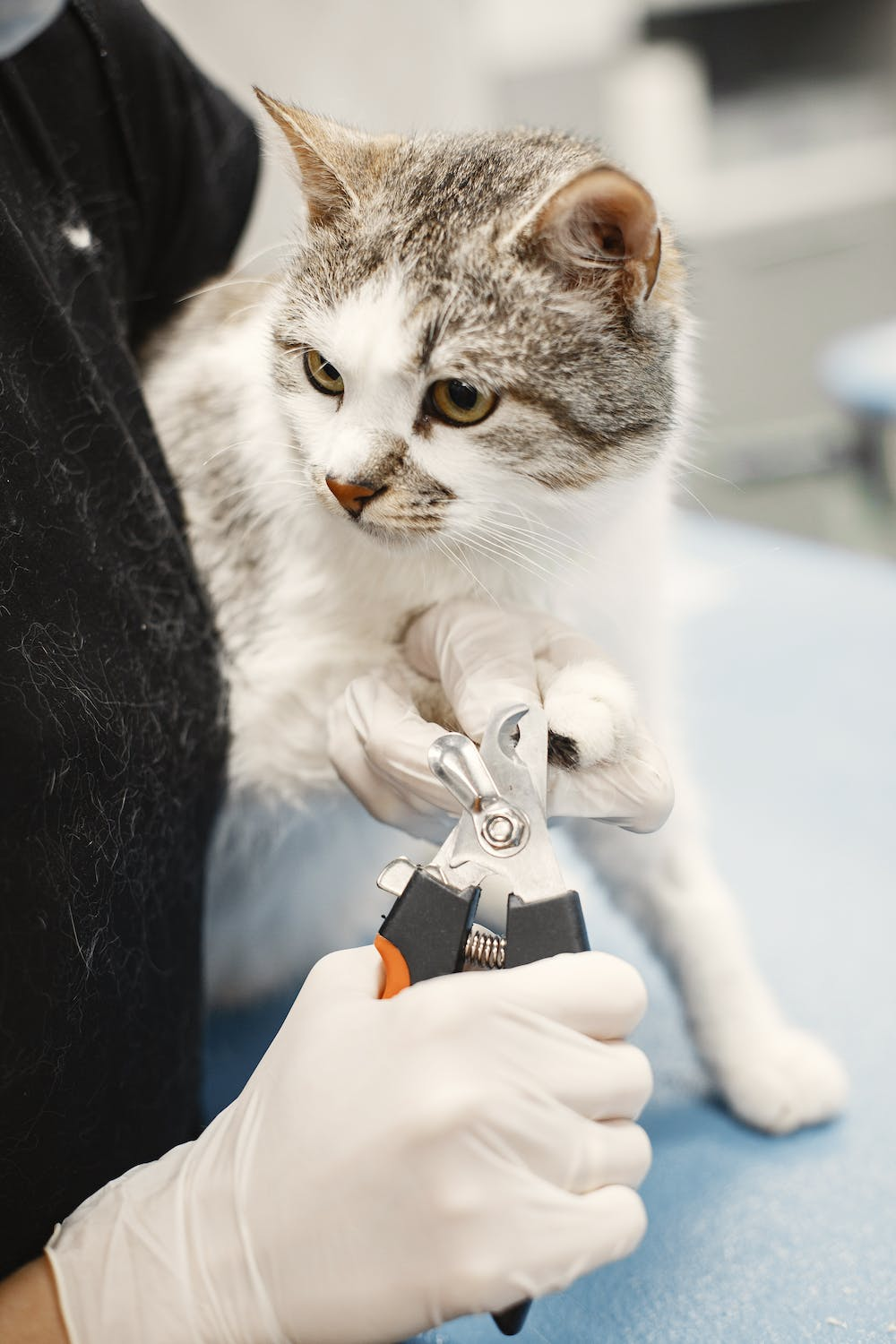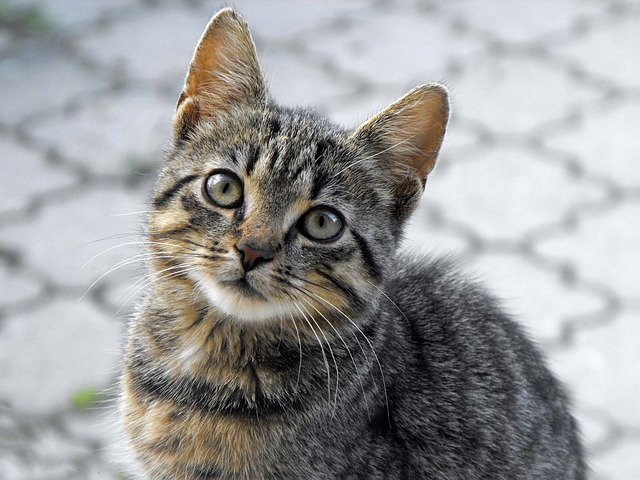
Spring is a wonderful time for pets to explore the outdoors, but it often brings a frustrating problem: persistent itching. If your furry family member is scratching more than usual once the flowers start blooming, you are not alone. Many pets in the Otsego, Elk River, Dayton, and Rogers, MN area experience increased skin irritation during this season due to rising pollen counts, flea activity, and other environmental triggers.
At Sirius Veterinary Care, we help pet parents understand what is driving their pet’s discomfort and how to address it quickly and compassionately.
Key Takeaways
- Spring allergies in pets are commonly triggered by pollen, mold spores, flea activity, and dust mites.
- Itching often signals an immune response that requires professional diagnosis, not just symptom management.
- Common allergy types include atopic dermatitis, flea allergy dermatitis, and food sensitivity.
- Early intervention prevents secondary skin infections and speeds up recovery.
- Sirius Veterinary Care offers thorough allergy diagnostics and personalized treatment plans for pets throughout the Otsego, MN area.
Why Pets Get Itchy in Spring
As temperatures rise and plants begin to bloom, the air fills with pollen from trees, grasses, and flowers. These microscopic particles are among the most common triggers of allergic reactions in pets. Spring rains encourage the growth of mold spores, while dust mites remain a year-round presence in many homes. When a pet’s immune system perceives these harmless particles as threats, it releases chemicals that cause inflammation and persistent itching.
What many pet parents do not realize is that allergens do not only irritate the skin on contact. They can trigger broader immune responses that may also cause sneezing, watery eyes, or mild respiratory symptoms in more sensitive animals.
Types of Spring Allergies in Pets
Atopic Dermatitis
A hereditary condition in which pets become overly sensitive to environmental allergens such as pollen or mold. It typically causes persistent scratching, licking, or chewing, particularly around the paws, face, and ears.
Flea Allergy Dermatitis
Fleas thrive in warmer weather, and pets allergic to flea saliva can experience severe itching and skin inflammation from even a single bite. Starting flea prevention early in the season helps avoid significant discomfort.
Food Allergies
Although not strictly seasonal, food sensitivities can contribute to itching around the face, paws, or rear end and may be accompanied by digestive upset. Seasonal dietary changes can sometimes bring these reactions to the surface.
Identifying the specific allergy type requires careful observation and veterinary testing. At Sirius Veterinary Care, we take a thorough approach because understanding the root cause shapes the most effective path to lasting relief.
Common Symptoms to Watch For
Allergy-related itching is rarely just a minor annoyance. Signs that your pet may be dealing with seasonal allergies include:
- Frequent scratching or biting around the face, ears, and paws
- Redness or visible inflammation on the skin
- Excessive licking of specific areas
- Patches of thinning or missing fur
- Increased irritability, restlessness, or reduced activity
- Sores, scabs, or unusual discharge indicating secondary infection
Pets may also show quieter signals such as disrupted sleep, reluctance to play, or increased clinginess. These signs are easy to overlook but often indicate genuine discomfort. Early recognition gives your pet the best chance at prompt, effective care.
How We Diagnose the Source of Itching
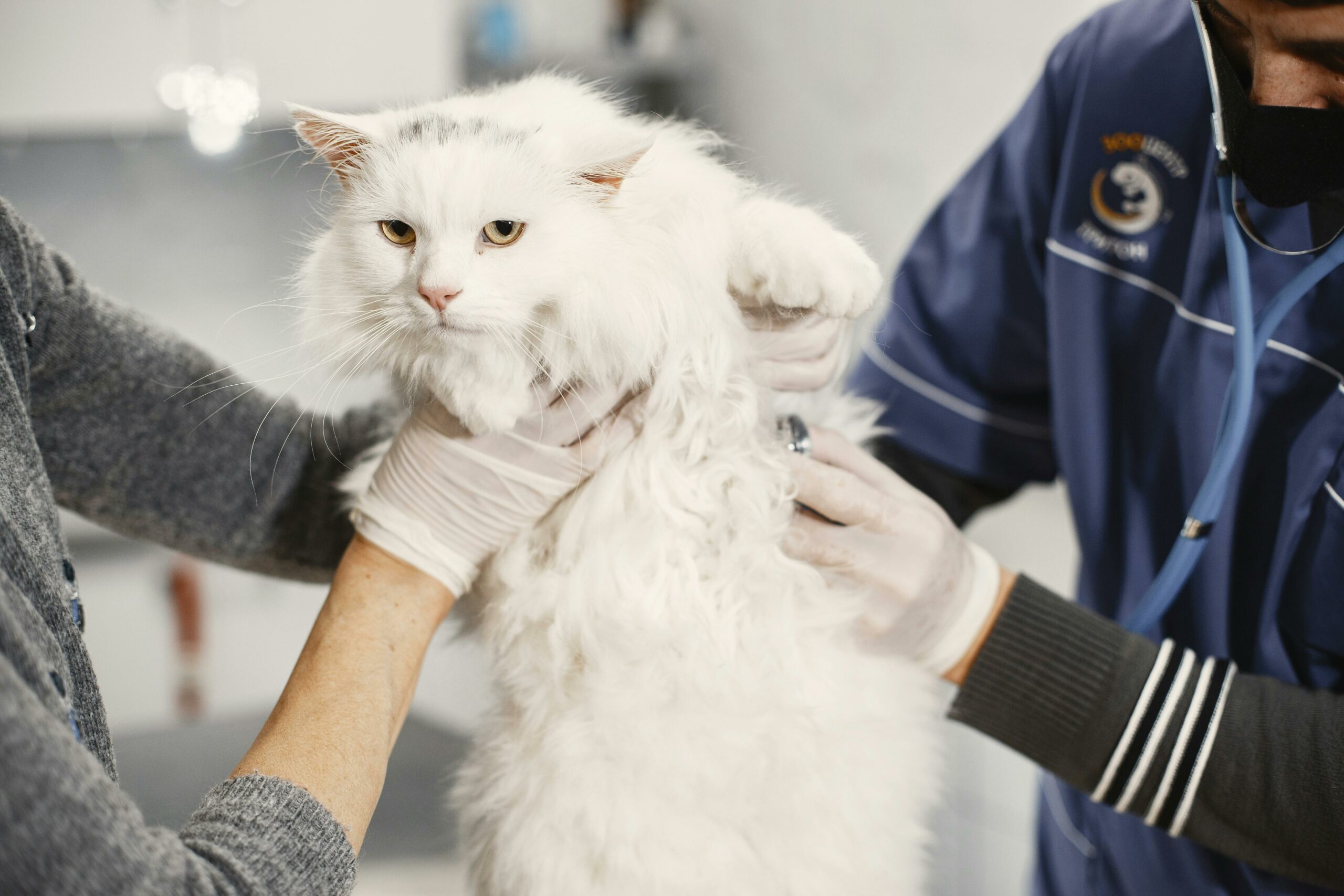
At Sirius Veterinary Care, our process begins with a thorough physical exam. We assess skin condition, coat quality, hair loss patterns, and any signs of infection. Your observations as a pet parent matter here. Information about your pet’s environment, recent exposures, and any dietary or behavioral changes all help us identify what is driving the irritation.
When a deeper look is needed, we use targeted diagnostic tools:
- Allergy testing through blood work or intradermal skin testing to identify specific environmental triggers
- Skin scrapings to detect mites, bacterial overgrowth, or fungal infections
- Flea combing to confirm infestation even when fleas are not immediately visible
- Elimination diet trials when food allergy is suspected
Each step builds a clearer picture so your pet’s treatment plan can be targeted rather than generalized.
Effective Treatment Options
Treatment for springtime itching typically involves a combination of approaches tailored to your pet’s specific needs:
- Antihistamines help reduce the histamine-driven response behind many allergic reactions.
- Corticosteroids may be used for more significant inflammation, with careful monitoring for side effects.
- Antibiotics are sometimes necessary when persistent scratching leads to secondary bacterial skin infections.
- Omega-3 fatty acid supplements, such as fish oil, help reduce skin inflammation and improve coat condition over time.
- Prescription therapies such as immunotherapy or specialized topical treatments are recommended for pets with chronic or complex allergies.
At Sirius Veterinary Care, we take time to walk pet parents through each option clearly so every decision feels informed and confident.
Preventative Measures for Spring
Reducing allergen exposure makes a meaningful difference in managing seasonal itching:
- Vacuum frequently and wash pet bedding regularly to remove pollen, dust, and mold spores.
- Use an air purifier to reduce airborne allergens indoors.
- Wipe your pet’s paws, legs, and coat after outdoor activity.
- Limit outdoor time during peak pollen hours, typically mid-morning through early afternoon
- Maintain consistent flea prevention throughout spring and summer.
Combining these home strategies with guidance from the team at Sirius Veterinary Care gives your pet the strongest foundation for a comfortable season.
When to Visit Sirius Veterinary Care
Not all itching resolves on its own. If your pet’s symptoms persist or worsen, prompt veterinary attention is the right call. Contact us if you notice:
- Scratching or biting lasting more than several days without improvement
- Visible redness, rash, swelling, or skin changes
- Sores, scabs, pustules, or unusual discharge
- Hair loss or thinning patches
- Behavioral changes such as lethargy or decreased appetite
- No response to home care measures
Waiting too long allows infections to take hold and allergies to worsen, making recovery more difficult. At Sirius Veterinary Care in Otsego, MN, our team uses thorough physical exams and targeted diagnostics to uncover the root cause of itching and build a personalized care plan. Where appropriate, we also integrate complementary approaches such as Chinese herbal medicine alongside conventional treatment.
If your furry family member is struggling this spring, we are here to help. Call us today to schedule an appointment or speak with our team.
Frequently Asked Questions
What causes my pet to itch more in spring?
At Sirius Veterinary Care, we see springtime itching most often caused by pollen from trees, grasses, and weeds that is carried by the wind, mold spores that grow after spring rains, and fleas that are more active when the weather gets warmer. These environmental changes can cause an immune reaction in sensitive pets that leads to inflammation, redness, and persistent scratching. A thorough exam at our Otsego clinic helps identify the specific trigger so we can recommend the right treatment plan.
How do I know if my pet has allergies or something else causing the itching?
Allergies often follow a seasonal pattern and may come alongside other symptoms such as sneezing, watery eyes, or red skin. Other causes of itching, including flea infestations, mites, dry skin, or skin infections, can look similar but require different treatment. At Sirius Veterinary Care, we use physical exams, skin scrapings, and allergy testing to distinguish between these causes so your pet receives care that actually addresses the problem rather than just the symptoms.
What can I do at home to help my itchy pet until I can see a vet?
Wiping your pet’s paws and coat after outdoor activity helps reduce pollen buildup on the skin. Keeping bedding clean, vacuuming frequently, and limiting outdoor time during peak pollen hours can also ease symptoms. These steps are helpful for short-term comfort, but if scratching persists beyond a few days or leads to visible skin changes, we encourage pet parents in the Otsego, Elk River, and Dayton areas to contact Sirius Veterinary Care promptly for a professional assessment.
Are there long-term treatment options for pets with recurring spring allergies?
Yes. For pets who experience seasonal allergies year after year, we may recommend immunotherapy, which involves gradually exposing the immune system to specific allergens to reduce its overreaction over time. Prescription topical treatments, ongoing dietary support with omega-3 fatty acids, and consistent flea prevention are also part of a long-term management plan. At Sirius Veterinary Care, we build individualized wellness plans so recurring seasonal allergies are managed proactively rather than reactively.
When is pet itching a veterinary emergency?
If your pet is scratching to the point of breaking the skin, developing large open sores, showing significant hair loss, or displaying signs of serious distress such as lethargy or refusal to eat, those symptoms call for prompt veterinary attention. Secondary skin infections can develop quickly from repeated scratching and become more difficult to treat when left unaddressed. Sirius Veterinary Care serves pet families in Otsego, Rogers, Bailey, and surrounding Minnesota communities and is here to provide timely, compassionate care when your pet needs it most.