Close to 40% of cats never get a yearly checkup, often because the carrier and the car ride stress everyone out. That gap matters, because knowing how often should cats go to the vet is one of the simplest ways to keep your cat healthy. Cats hide pain and illness by instinct, so by the time something looks wrong at home, it has often been building for a while.
Your cat is family, and we treat them that way. Below, we walk you through a clear schedule by life stage, the signs that mean book sooner, what happens at a wellness exam, and how we make the trip easier for an anxious cat.
Key Takeaways
- Most healthy adult cats need one wellness exam a year.
- Kittens need a visit about every 3 weeks until they reach 18 to 20 weeks old.
- Senior cats aged 10 and up do best with a checkup every 6 months.
- Indoor cats still need regular care.
- Some signs mean you should book sooner, between visits.
Why do cats need regular vet visits, even indoor ones?
Cats hide pain and illness by instinct, so problems often go unseen at home until they are advanced. Regular exams let us catch dental disease, kidney changes, thyroid issues, and weight shifts early. Indoor cats are not exempt, since parasites, viruses, and age-related disease still reach them.
We see it often. A cat looks fine at home, then a routine exam turns up early kidney changes or dental pain you had no way to spot.
Many pet parents assume indoor cats are safe from everything. They are not. Fleas and viruses travel in on shoes, through open windows, and on other pets. Indoor cats also face weight gain, diabetes, and dental disease at the same rates as any cat. A yearly exam gives us a baseline, so we catch small changes before they grow.
How often should cats go to the vet by age?
Visit frequency depends on your cat’s age. Kittens need a vet about every 3 weeks until 18 to 20 weeks old. Healthy adults aged 1 to 10 need one wellness exam a year. Seniors aged 10 and up need one every 6 months, and cats over 15 may need more.
Here is the schedule we follow by life stage:
- Kitten (6 weeks to 1 year): about every 3 weeks until 18 to 20 weeks old, then yearly
- Young adult (1 to 6 years): once a year
- Mature adult (7 to 10 years): once a year
- Senior (10 to 15 years): every 6 months
- Geriatric (15+ years): every 3 to 4 months
How often should a kitten go to the vet?
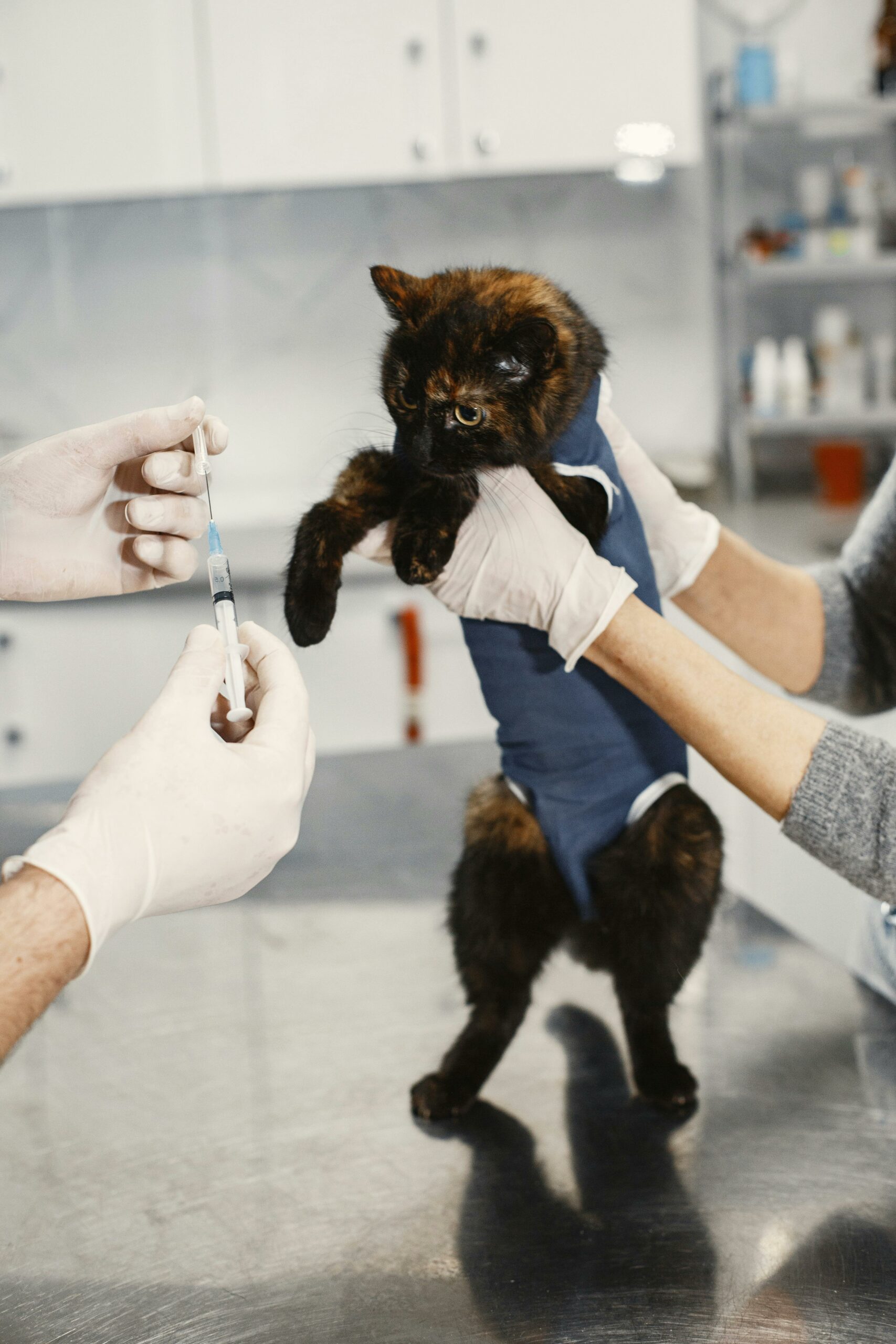
Kittens grow fast and their immune systems are still developing, so they need frequent early visits. Plan on a vet trip about every 3 weeks from 6 to 8 weeks until 18 to 20 weeks old. These visits cover the vaccine series, deworming, and a growth check. Most kittens are spayed or neutered at 5 to 6 months.
How often do adult cats need to see the vet?
Healthy adult cats need one wellness exam a year. Even a cat that looks perfectly healthy benefits, because early disease rarely shows at home. A yearly visit includes a full physical, dental check, vaccine review, parasite prevention, and baseline bloodwork to track changes over time.
How often should a senior cat go to the vet?
Once your cat reaches 10, switch to a checkup every 6 months. Cats over 15 may need a visit every 3 to 4 months. Routine bloodwork and urine testing matter most here, since they catch kidney, thyroid, and other changes early, while they respond best to treatment.
When should you take a cat to the vet sooner?
Book a visit between checkups if you notice appetite or weight changes, vomiting or diarrhea lasting more than a day, litter box changes, increased thirst, hiding, or trouble jumping. These can point to kidney disease, diabetes, dental pain, or thyroid problems that worsen if left alone.
Watch for these signs and call or text us. We keep same-day slots open for cats that need to be seen quickly.
- Eating less, or sudden weight loss
- Vomiting or diarrhea that lasts more than a day
- Drinking or urinating more than usual
- Going outside the litter box
- Hiding, grooming less, or low energy
- Limping or trouble jumping
Some signs are emergencies. Go to a vet right away if you see:
- Collapse or a seizure
- Trouble breathing
- Straining in the litter box with little or no urine, a true emergency, especially in male cats
- Repeated vomiting with no appetite
What happens at a cat wellness exam?
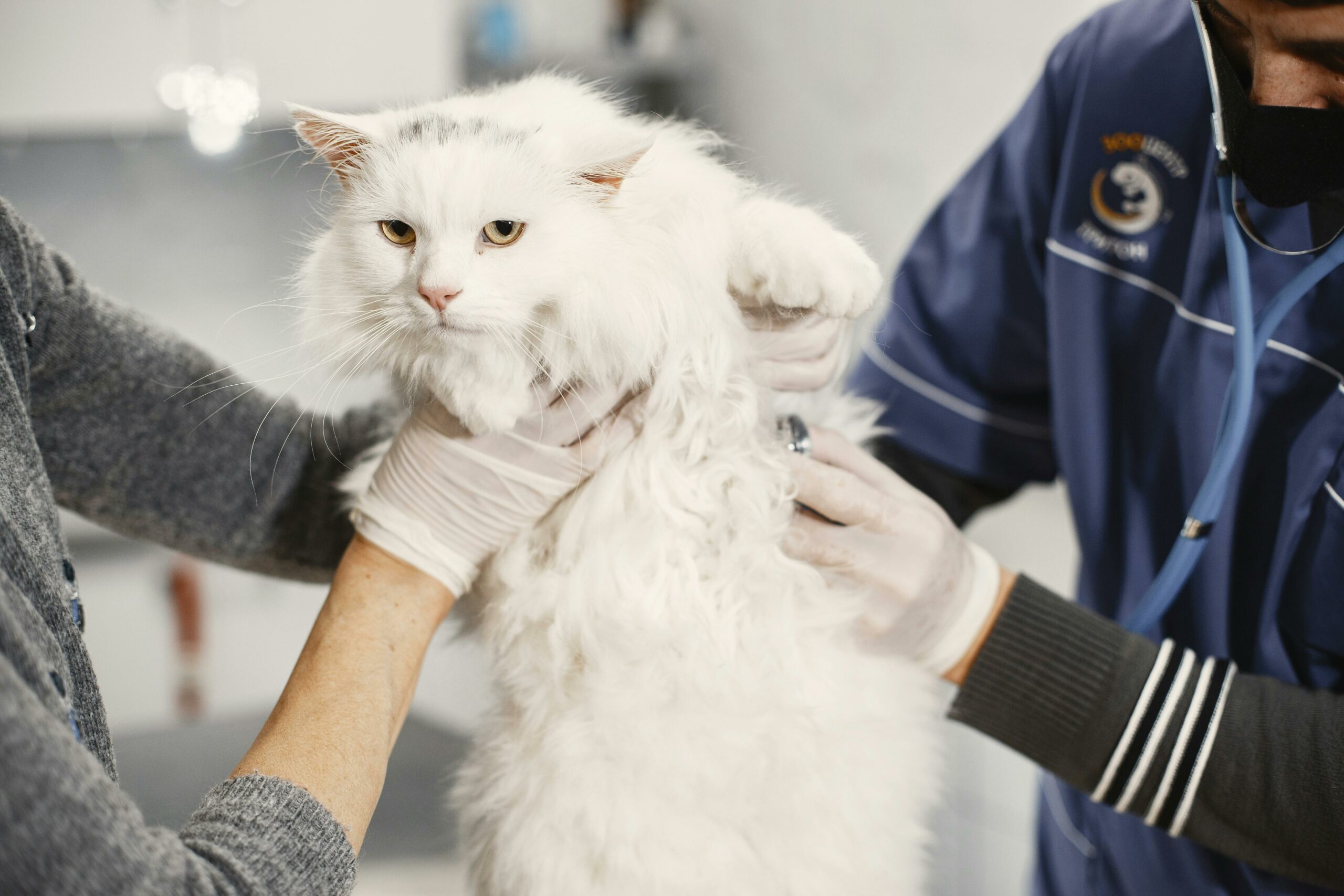
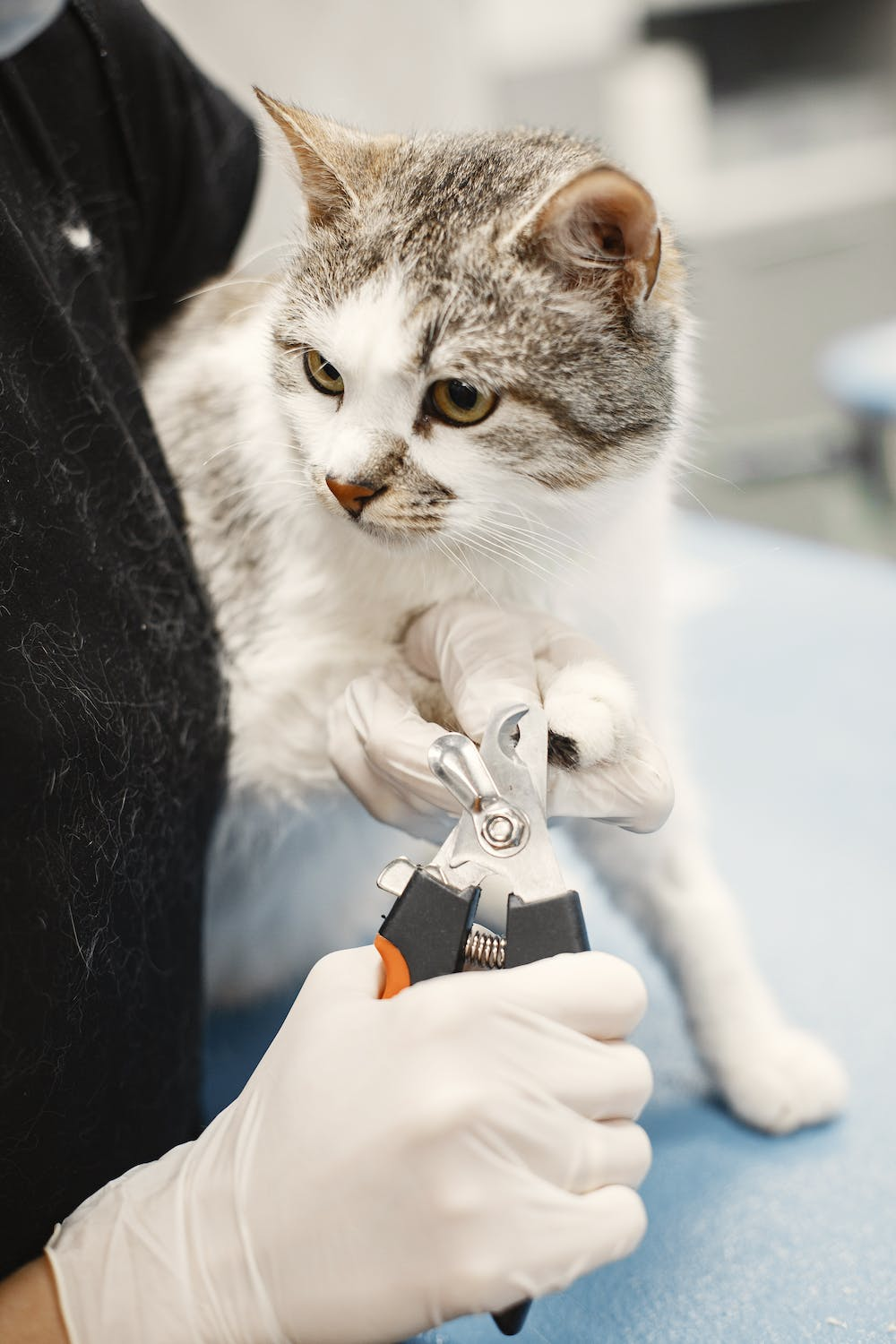
A wellness exam usually includes a nose-to-tail physical, a dental check, weight and body condition scoring, a vaccine and parasite-prevention review, and often bloodwork or urine testing for adults and seniors. It is where we catch small changes before they turn into bigger, costlier problems.
Here is what we check during a typical visit:
- A full physical: heart, lungs, eyes, ears, skin, coat, and joints
- Teeth and gums, since dental disease is common and painful
- Weight and body condition, to flag gradual loss or gain
- Vaccines, matched to your cat’s age and lifestyle
- Parasite prevention for fleas, ticks, and worms
- Bloodwork and urine tests for adults and seniors
We also answer your questions about diet, behavior, and litter box habits, which often point us toward something worth a closer look.
How can you make vet visits less stressful for your cat?
You can lower vet-visit stress with a few simple steps at home before the appointment, from carrier training to calming sprays and short practice car rides. A calmer cat is not only happier, it also gives us a more accurate exam.
Try these steps before your next visit:
- Leave the carrier out year-round, so it becomes normal furniture, not a trap.
- Add a blanket or worn shirt that smells like home.
- Spray a feline pheromone product inside about 15 minutes before you leave.
- Take short practice car rides with treats, so the car is not only linked to the vet.
- Cover the carrier with a towel to cut down on visual stress.
- Book with a cat-friendly team that handles cats gently.
A relaxed cat sits more calmly for the exam, which means we can check more and miss less.
Frequently Asked Questions
Is it okay to take a cat to the vet only once a year?
For a healthy adult cat aged 1 to 10, once a year is the right pace. We still want to see your cat sooner if anything changes between visits. Kittens and seniors need to come in more often than that.
What happens if you don’t take your cat to the vet?
Skipping regular visits lets problems like dental disease, kidney trouble, and diabetes build quietly until they are harder and costlier to treat. Because cats hide illness so well, we often catch these issues at a routine exam, before you would notice anything at home.
How do we know if our cat needs to see the vet?
Book a visit if your cat eats less, loses weight, drinks or urinates more, hides, or stops grooming. Trouble jumping, limping, or litter box changes also count. When in doubt, call us, and we will help you decide if it can wait.
Our cat hasn’t been to the vet in years. What should we do?
Just book a wellness exam to start fresh. We will give your cat a full physical, update any vaccines, check parasite prevention, and run baseline bloodwork. There is no judgment here, and getting back on schedule is the best thing you can do.
What is the silent killer in cats?
Chronic kidney disease is often called the silent killer because it progresses slowly with few early signs. Many cats lose a lot of kidney function before they look unwell. Routine blood and urine tests let us catch these changes early, which is why we recommend twice-yearly visits for seniors.
Do cats really need annual checkups if they seem healthy?
Yes. A cat that looks healthy can still have early disease that only shows on an exam or in bloodwork, so a yearly visit gives us a baseline to catch changes before they turn serious.
Keeping Your Cat on the Right Schedule
The short version: yearly for healthy adults, every 6 months for seniors, frequent visits for kittens, and a quick call any time something feels off. Cats hide illness well, so these visits do the watching they cannot ask for. If your cat is due, or overdue, we are here to help, with no judgment and no pressure. Book a wellness exam today, or call or text us for a same-day visit, and we will build a care plan that fits your cat and gives you peace of mind.